
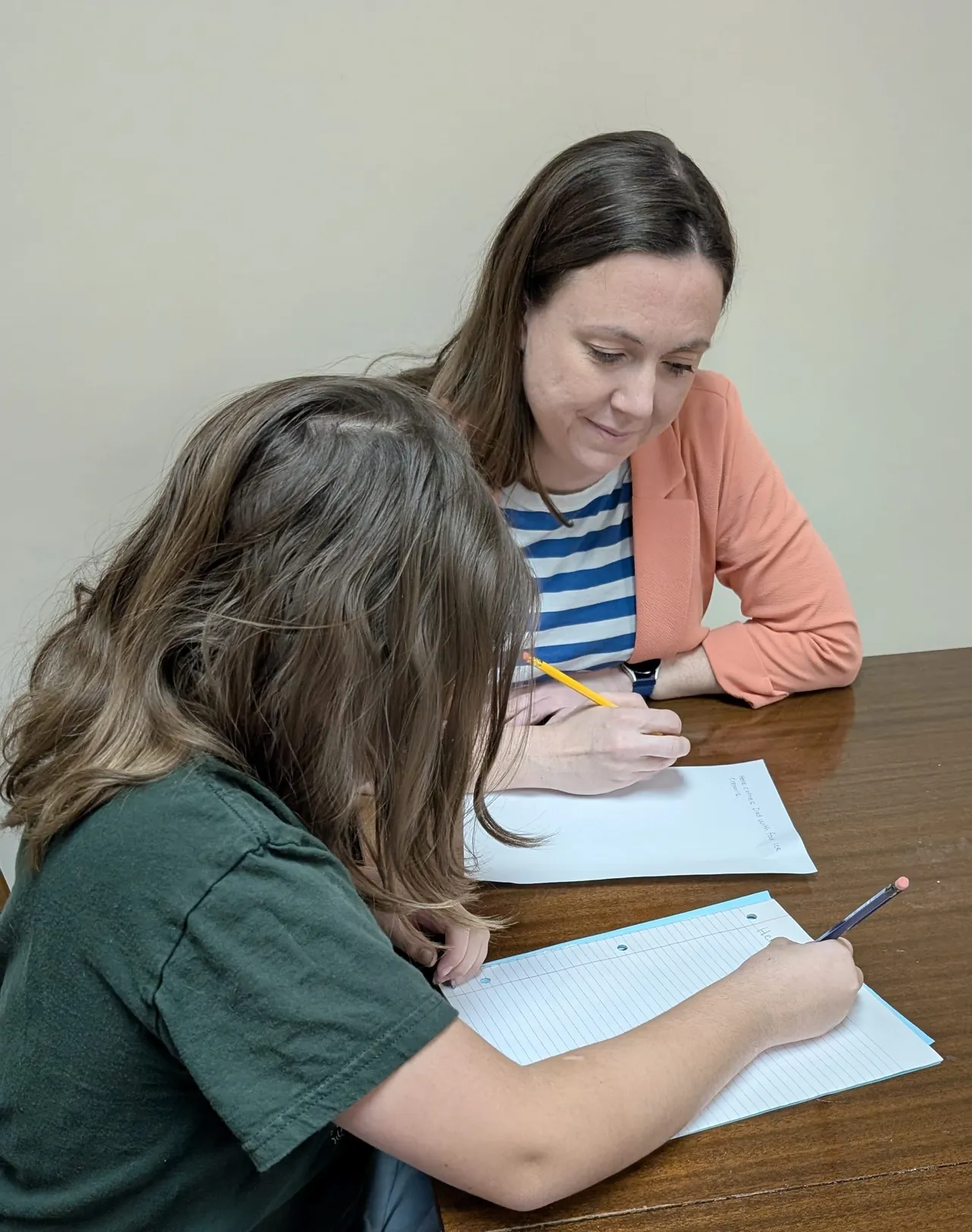
When parents ask what they can do at home to support their child's handwriting, it can be tempting to jump straight to tracing letters, copying words, or completing worksheets.
But many of the skills that support handwriting develop before a child picks up a pencil.
Handwriting involves more than knowing how to form letters. A child needs enough strength to hold and control a pencil, the ability to coordinate both hands and arms, and the ability to make small, precise finger movements while the rest of the hand stays stable.
The good news is that many of these foundational skills can be built through everyday play. Here are three simple areas to add to your child's day. They can be a helpful starting point before considering a more comprehensive occupational therapy assessment.
1. Crawling Activities: Build Strength and Bilateral Coordination
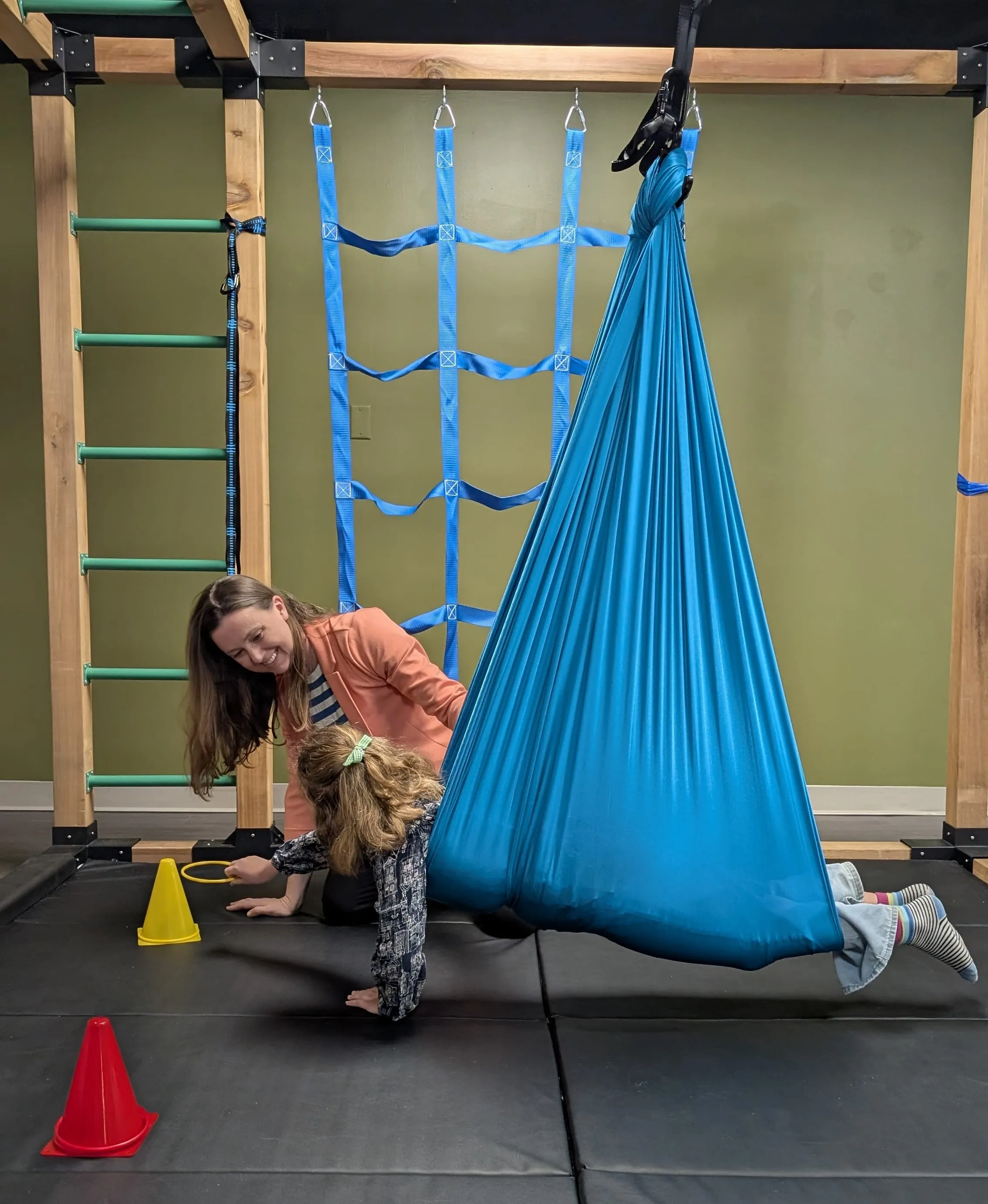
Crawling is a simple activity with a lot going on. When a child crawls on their hands and knees, they put weight through their hands and arms while coordinating both sides of their body. This develops strength through the shoulders, arms, and hands while supporting bilateral coordination, or the ability to use both sides of the body together.
Try incorporating different types of crawling into play:
- Hands-and-knees crawling
- Bear walking on hands and feet
- Crab walking, with the belly facing the ceiling
- Crawling through tunnels or under furniture
- An obstacle course that includes crawling
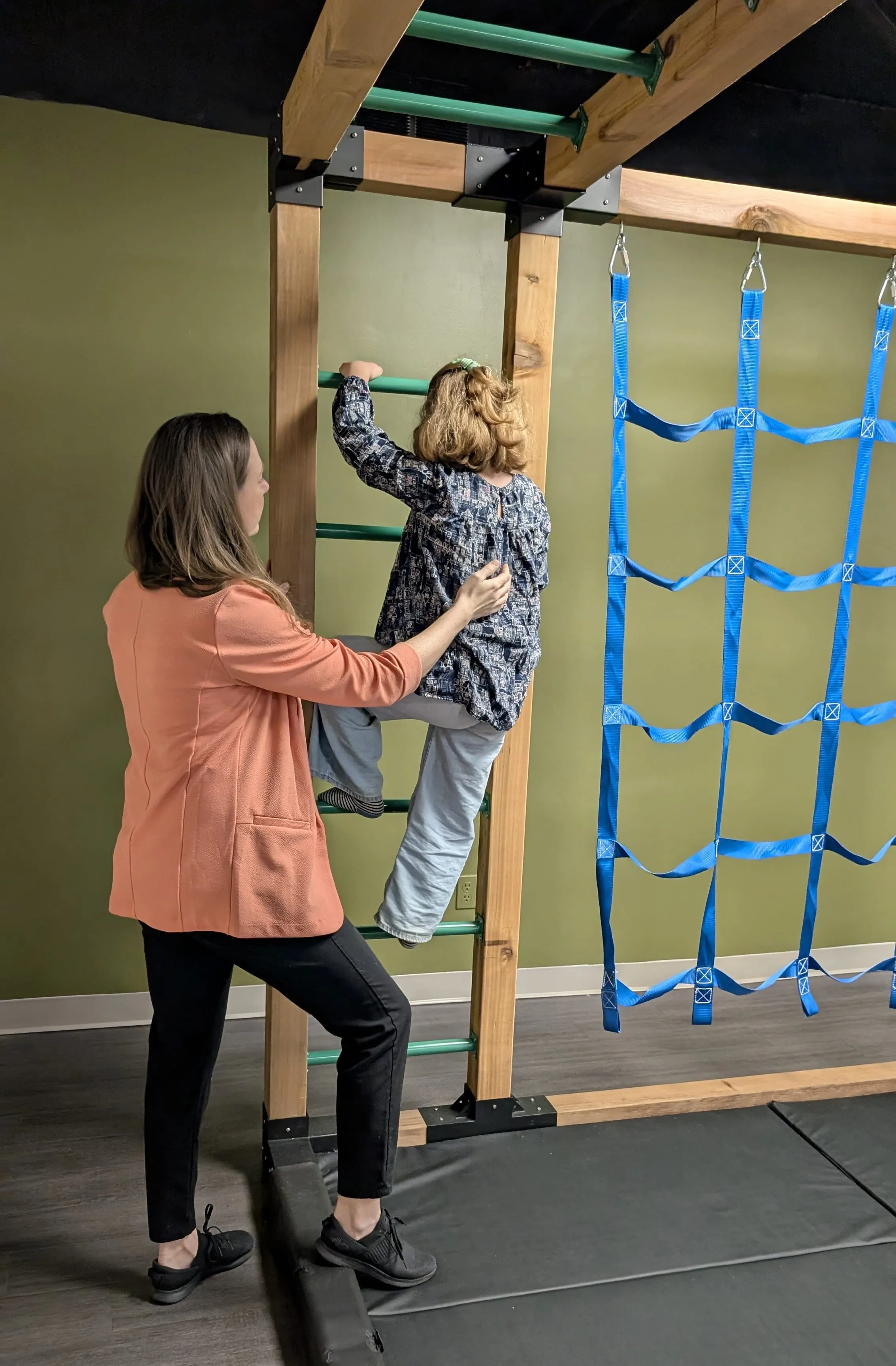
These activities also build postural strength and stability. A strong, stable shoulder and trunk give the hand a better foundation for the small movements needed for handwriting.
This does not need to feel like exercise. Crawling across the room to get a toy, racing like animals, or adding a bear crawl to an obstacle course all count.